eFoiling and the Ocean: A Sustainable Way to Ride
Zero emissions, no wake, no noise. What electric hydrofoiling actually means for protected water — and where responsible riding still matters.
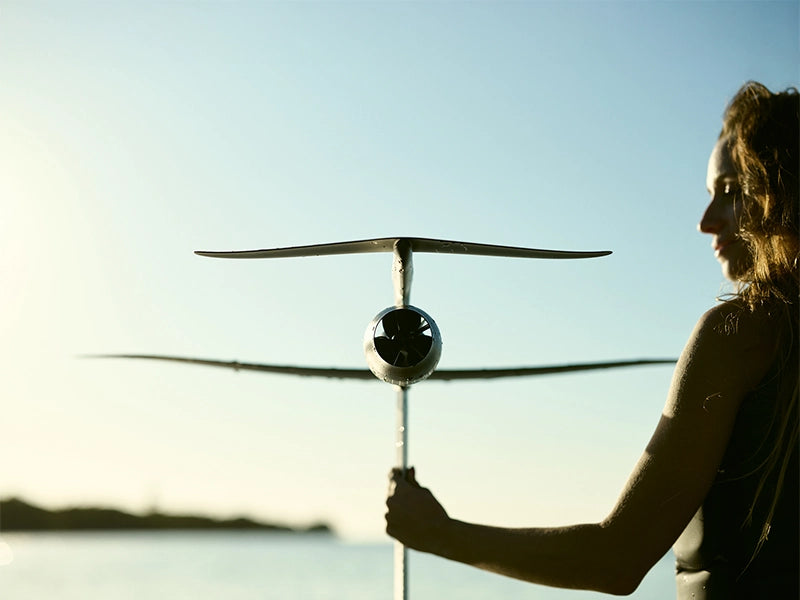
Sustainability claims in watersports deserve scrutiny. Plenty of things marketed as green are simply less bad. Electric hydrofoiling is worth examining honestly, because in some respects the case is genuinely strong and in others it depends entirely on how the rider behaves.
What is straightforwardly true
- No combustion, no exhaust, no fuel spill risk at the point of use.
- No wake, because the hull is out of the water at riding speed. Shoreline and mangrove edges are not eroded by passing riders.
- Very low noise above the surface, which matters enormously for birdlife and for other people using the water.
Those three together are why protected areas and resorts that will never permit a jet ski are comfortable with an electric foil. It is not a marketing distinction; it is an operational one.
The best compliment the sport receives is that nobody notices you passed.
Where it depends on the rider
A silent board is still a board travelling at speed through a habitat. Riding too close to nesting areas, cutting through shallow seagrass, or chasing wildlife undoes the advantage entirely. The equipment removes the emissions; it does not remove the responsibility.
In protected lagoon environments we brief every guest on the corridors to use and the areas to leave alone. It is a short conversation and it is not optional.
Batteries, honestly
Lithium batteries have a real manufacturing footprint. Pretending otherwise would be dishonest. What matters in practice is lifespan: a pack that is charged correctly, stored properly and serviced for a decade has a very different profile from one replaced every three years through neglect.
This is a large part of why we push maintenance so hard. Longevity is the environmental argument, not the chemistry.
Sunscreen and what enters the water
Everything on your skin ends up in the lagoon. Mineral, reef-safe formulations are the correct choice here, and long-sleeve rash guards reduce the amount needed in the first place.
Shallow water and seagrass
A foil mast reaches well below the board. Riding over shallow seagrass beds damages them and damages the equipment. Knowing where the depth changes is part of local knowledge and part of why guided sessions matter in unfamiliar water.
The quiet argument
The strongest environmental case for this sport is not measured in emissions saved. It is that it gives people close, silent, unmediated contact with water that they would otherwise experience from a loud machine — or not at all. People protect what they have spent time inside of.
That is the version of the sport we are interested in operating.
Questions about any of this?
Our team in Mayakoba answers Fliteboard questions every day.
Book an Experience→